Camera & Creator / PRODUCT GUIDE
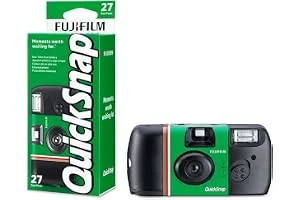
Fujifilm QuickSnap Flash 400: the 27-frame camera to pass around
A simple 35mm color camera for a dinner or day out. The fixed-focus lens, short flash range, one-time-use design and separate processing are the important tradeoffs.
As an Amazon Associate I earn from qualifying purchases.
View Fujifilm QuickSnap Flash 400, single camera on Amazon (paid link) ↗
What this exact QuickSnap includes
Fujifilm’s QuickSnap Flash 400 is preloaded with ISO 400 color-negative 35mm film and gives you 27 exposures. It has a built-in electronic flash and a fixed-focus 32mm f/10 plastic lens. That makes the experience straightforward: frame through the finder, advance the film and take the shot. There is no screen for reviewing pictures and no way to change lenses or exposure settings. Confirm the listing is the single-camera, 27-exposure version; QuickSnap product names also appear on other variants.
Keep enough distance for the fixed-focus lens
Fujifilm says the camera is designed for subjects at least 1 meter away. That has a direct effect at a table: a close-up of a plate or a face from arm’s length may be too near for the fixed focus. Step back, include more of the scene and avoid leaning in for a tight portrait. If close-ups matter, a phone or a camera with adjustable focus is a better tool.
A small flash is for nearby people, not a distant view
The flash is effective from about 1 to 3 meters, according to Fujifilm. The maker recommends using it indoors, in shade, on cloudy days and when a subject is backlit; the flash-ready indicator lights when it can fire. It will not illuminate a stage, a landscape or a group across a large room. At a gathering, put the camera in the hands of the person taking a nearby group photo, not someone trying to capture the whole room from the back.
Twenty-seven frames make it a shared-event camera
A single QuickSnap has 27 exposures, so it can work as a small communal camera at a birthday dinner, family visit or casual trip. That limit can make people more deliberate about passing it around. It can also run out before an event ends. If you want continuous coverage or several attempts at the same moment, a digital camera or phone is easier; if the limited count is part of the fun, agree who has it and when before the roll is gone.
Film speed and fixed exposure reward bright, simple scenes
ISO 400 color-negative film and a fixed 1/140-second shutter are designed for uncomplicated snapshots, not manual control. Bright outdoor scenes are the comfortable use case. The flash helps nearby subjects in dimmer light, but it cannot compensate for every dark setting or a moving subject. The camera cannot raise ISO, slow the shutter or let you inspect an exposure, so save the most important shot for reasonable light and a subject within the flash distance.
Plan for development after the last frame
This is a single-use film camera, not a digital device or an instant printer. Fujifilm lists C-41 as the processing procedure. After the exposures are used, you still need a lab that accepts 35mm color-negative film; scanning and physical prints depend on the service you select. Ask about the lab’s return and recycling process for single-use cameras before mailing it. The camera purchase alone should not be treated as including development, scans or prints unless the exact offer says so.
Compare Kodak FunSaver for a different color-film choice
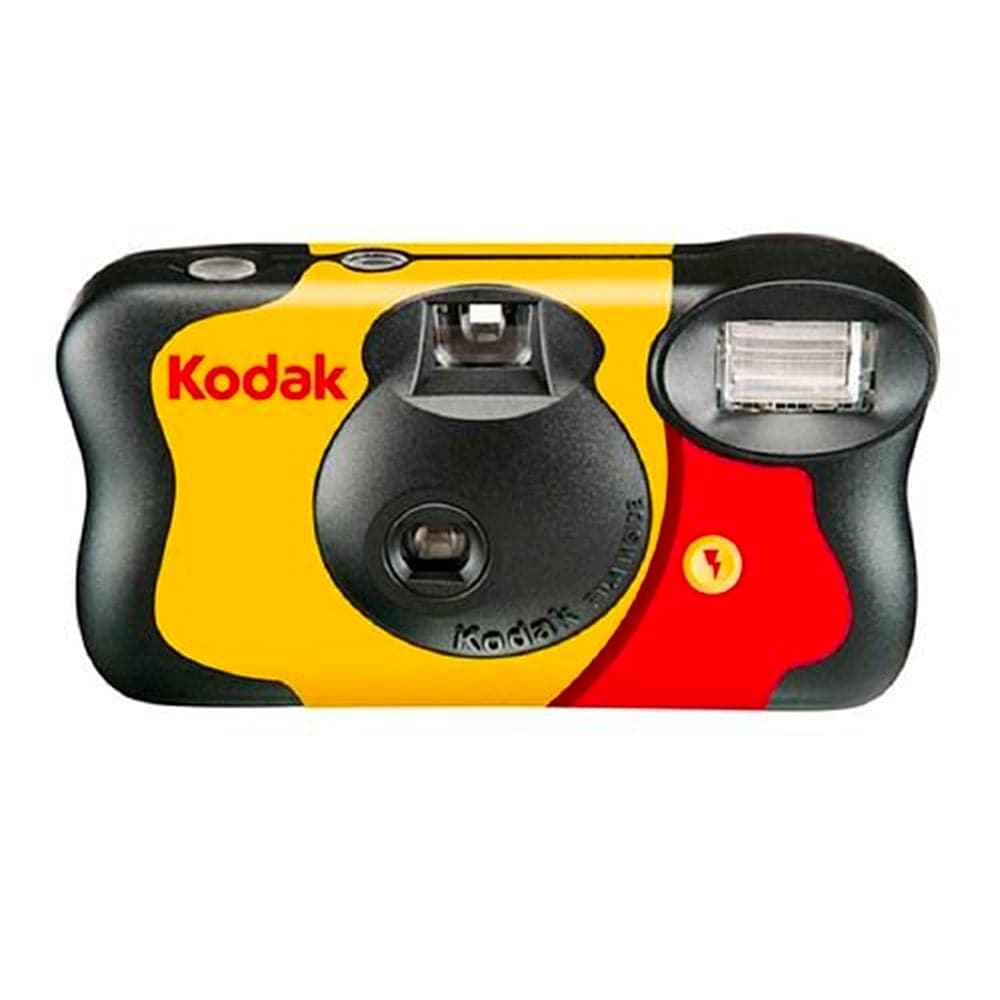
Kodak’s FunSaver is another single-use 35mm color camera, with 27 exposures, ISO 800 film and a built-in flash. That gives it a different film-speed specification from the QuickSnap’s ISO 400 load, but does not guarantee better results in every scene. Compare the exact model, flash operation and local processing options. If you already prefer Fujifilm’s straightforward flash switch and ISO 400 film, stay with QuickSnap; if you want Kodak’s loaded film, compare FunSaver.
Choose HARMAN HP5 when the monochrome look is the point
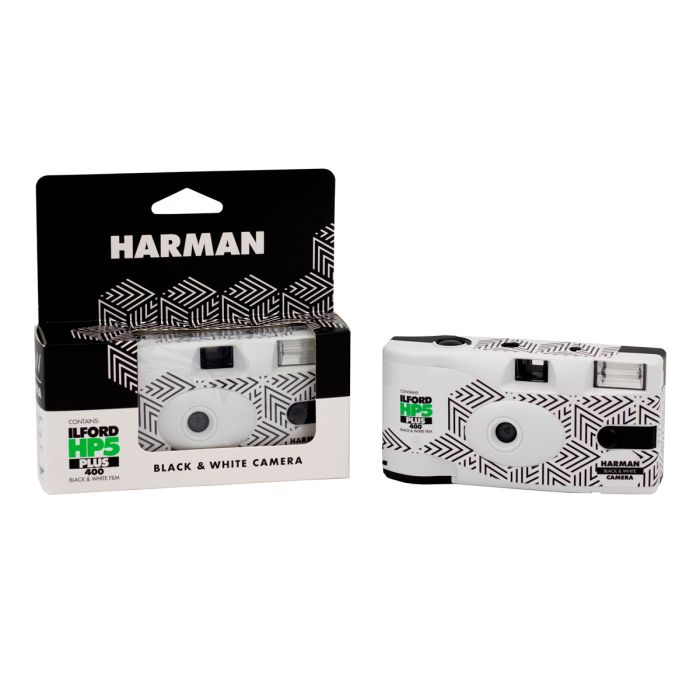
HARMAN’s single-use camera comes loaded with 27 exposures of ILFORD HP5 PLUS black-and-white film and a built-in flash. It is a meaningful alternative when you specifically want monochrome negatives. It is not a color-film substitute, and the processing lab must handle the film type you choose. If the recipient mainly wants color snapshots, QuickSnap or FunSaver is the simpler match.
Who should buy this single camera
Choose the QuickSnap when you want an easy-to-share 35mm color camera, expect mostly bright scenes or nearby flash subjects, and are comfortable paying separately for lab processing. Skip it if you need close focus, long flash reach, immediate review or many hundreds of shots. Check the 27-exposure count and processing plan before ordering. This is a source-based guide, not a hands-on test; Ryan has not said he owns or tested this camera.
Compare the shopping options
Instax Mini white-border film twin pack — instant-print alternative

Compare Kodak FunSaver 27-exposure color camera
Product photo: Kodak product photo
Compare HARMAN HP5 black-and-white camera
Product photo: HARMAN product photo
Sources and review basis
Researched November 18, 2026. Ryan’s own experience is attributed where supplied. Other judgments are buying advice based on the cited product information, not a hands-on comparison or laboratory test. Prices and availability are checked at the retailer.
- Amazon listing for Fujifilm QuickSnap Flash 400, ASIN B0F25C5257 (paid link)
- Fujifilm official QuickSnap Flash 400 specifications: film, 27 frames, lens, focus distance, flash and C-41 processing
- Fujifilm official shooting tips: flash distance, ready light and one-meter focus guidance
- Kodak FunSaver maker listing: ISO 800 film, 27 exposures and automatic-recharge flash
- HARMAN official HP5 single-use camera: monochrome film, 27 exposures and built-in flash
- Product photo: Compare Kodak FunSaver 27-exposure color camera
- Product photo: Compare HARMAN HP5 black-and-white camera