Toys, Games & Building Sets / PRODUCT GUIDE
Candy Land Kingdom of Sweet Adventures: a preschool race with almost no reading
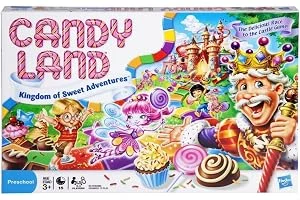
This classic Hasbro edition moves gingerbread pawns by colored cards along a path to the castle. It works for two to four players ages three and up and teaches matching, turn-taking and handling setbacks, but the winner is driven almost entirely by the shuffled deck rather than strategy.
As an Amazon Associate I earn from qualifying purchases.
View Hasbro Candy Land Classic Board Game on Amazon (paid link) ↗
Confirm the older card-based edition
ASIN B00000DMF5 is the Candy Land Kingdom of Sweet Adventures standard edition, model 4700 S5. Hasbro has released spinner, token-pouch, collaborative and differently illustrated versions. This linked product is the classic card-driven format with gingerbread movers, not the 2025 edition with a Pouch of Wonders. Match the ASIN, box photos and included rules before buying replacement cards or teaching from another edition.
No reading is required to make a move
Players draw a colored card and move the pawn forward to the next matching space; special picture cards can send a pawn to a named destination. That lets a preschooler participate before reading sentences or counting dice totals. An adult may still need to explain picture spaces, shortcuts and edition-specific obstacles. Keep the card face visible while helping so the child learns the color-to-board connection.
The game is a race, not a planning challenge
Because the deck determines movement and usually offers no choice, Candy Land has very little strategy. That is an advantage for a first board game: turns are quick, there is no hand of cards to manage and adults do not need to play down their skill. It can bore an older child who wants decisions, and a strong lead can reverse suddenly when a picture card moves someone backward.
Two to four players changes the waiting time
Hasbro lists this format for two to four players. Two players keep turns moving and make coaching easy. Four players create a livelier family session but more waiting between turns, especially when a preschooler needs help finding a color. Keep the draw pile within everyone’s reach and rotate who reveals the card if one adult is helping multiple children.
Age three-plus is about readiness as well as small pieces
Hasbro rates Candy Land for ages three and up. A child should be able to match basic colors, follow one-step directions, take turns and keep movers on the board. The character pieces are not for children under three. Age on the box does not guarantee emotional readiness for being sent backward or losing near the castle; a short practice round can reveal whether the full race is fun.
It can practice turn-taking without pretending to be educational software
Candy Land naturally reinforces color matching, visual scanning, waiting, moving one’s own piece and finishing a shared activity. Those are useful preschool routines, but the game is not a diagnostic or guaranteed teaching program. Name colors aloud, let the child locate the next matching space and resist moving every pawn for them. The play experience matters more than finishing quickly.
Set expectations for the backward moves
A picture card or board rule can move a pawn far behind after it was close to winning. Explain before play that surprise movement happens to everyone and the deck is not choosing favorites. If the published rule creates repeated frustration, finish the current game and switch activities rather than quietly changing outcomes. Consistent rules make wins and losses easier to understand.
Keep the complete deck with this edition
Hasbro’s classic card edition is documented with four movers and 44 cards. Missing color or picture cards can change the path and pace. Count the cards when buying used, store them in a small bag and keep them with the matching rules. Cards from a newer token or spinner edition are not a direct replacement. The board folds; open and close it along the factory hinge rather than forcing a reverse fold.
Compare Trouble for a tactile die roller
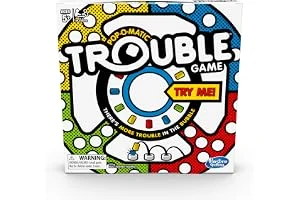
The cataloged Hasbro Trouble game uses a Pop-O-Matic die roller and pawn movement for two to four players. It adds counting and more direct interaction, including sending opponents back, so it suits children ready for a slightly more competitive race. Candy Land is better for a pre-reader who can match colors but is not ready to count spaces consistently.
Compare Sorry! for older children who can read card instructions
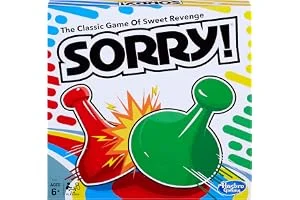
The cataloged Hasbro Sorry! game also races pawns to Home, but cards contain varied movement rules and players choose among several pawns. That adds light decisions and more take-that play. It is a better next step for children around six and up who can handle direct setbacks. Candy Land remains simpler, faster to explain and more appropriate for many preschoolers.
The buying call
Choose this Candy Land edition for a child age three or older who is learning color matching and turn-taking and does not need strategic choices. Choose Trouble when counting and the Pop-O-Matic appeal, or Sorry! when reading and light pawn decisions are welcome. Confirm the exact card-based edition and complete components. Ryan has not claimed to own or test this box; this guide uses Hasbro instructions and exact-product identifiers.
Compare the shopping options
Hasbro Trouble — Pop-O-Matic race that adds counting and direct pawn interaction
Hasbro Sorry! — card-driven pawn race with more reading, choices and take-that play
Sources and review basis
Researched November 19, 2026. Ryan’s own experience is attributed where supplied. Other judgments are buying advice based on the cited product information, not a hands-on comparison or laboratory test. Prices and availability are checked at the retailer.
- Hasbro official classic Candy Land instructions with four movers, 44 cards, age and player count
- Hasbro official Candy Land product information for the preschool format
- Exact-product identifier for Candy Land model 4700 S5 and ASIN B00000DMF5
- Amazon listing for Candy Land Kingdom of Sweet Adventures, ASIN B00000DMF5 (paid link)
- Hasbro official Trouble instructions and component guidance
- Amazon listing for Hasbro Trouble, ASIN B00D7OAOYI (paid link)
- Hasbro official Sorry! instructions and player information
- Amazon listing for Hasbro Sorry!, ASIN B076HK9H7Z (paid link)